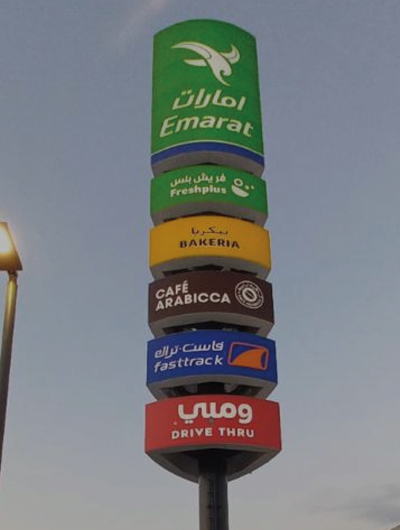





In the heavily digitized world we live in today, businesses need to incorporate the digital aspect into their marketing strategies. If you want to thrive and make a name for yourself that will last, digitization is the way to go. Additionally, we all know that first impressions are everything. It can make or break your business. So, how about using digitization to build the best first impression on your target audience?
If that sounds enticing, then digital signage is what you are looking for. A vast improvement from traditional static signs, digital signage can go a long way in offering you a world of possibilities in elevating your brand identity and setting you up for long-term success. If you are not acquainted with them, let us be your guide as we introduce you to them and let you know how they can boost your business in a myriad of ways.
Getting Familiar with Digital Signage
Digital signage refers to a network of interrelated digital displays that offer targeted and relevant information, advertising, merchandising, and/or entertainment. They can be managed and operated from a central location, with their message being adjusted to fulfil the needs and requirements of your brand.
In essence, they utilize electronic displays to showcase vivid and dynamic content in public spaces or in-house for targeted messaging and real-time updates. They are identified as one of the most powerful communication tools that are used to display multimedia content to a target audience.
How Does Digital Signage Work?
Digital signage is extremely versatile. As such, it can be used to display an eclectic range of media including photos, videos, presentations, animations, RSS feeds, or even a web page. It can be used to connect to an application to extract and process data for instant distribution. Irrespective of the format you use, the file is sent to a content management system from a device using a local connection or web browser, and then to servers.
After this, the file is transmitted to a player, which serves as a tool between the screen park and the device, thereby enabling the content to be broadcast or shown. The content can be shared on screens of different sizes, interactive kiosks, screen walls, totems, touchscreen or non-screen, both indoors and outdoors.
The Benefits of Digital Signage
Digital signage is an effective business tool and offers immense ROI (Return on Investment). Contrary to popular opinion, it is quite cost-effective as the returns that are built over time make up for the operational cost. Let us take a closer look at their benefits.
Offers Wider Reach
The significance and benefits of digital signage are not just limited to in-store facilities as they help in grabbing the attention of an extensive audience. Owing to their high resolution, they have high reach and can be clearly viewed from a far distance.
Not to forget, the vivid imagery of digital signage also helps to catch attention quicker than traditional static signboards.
Helps Drive Engagement with Target Audience
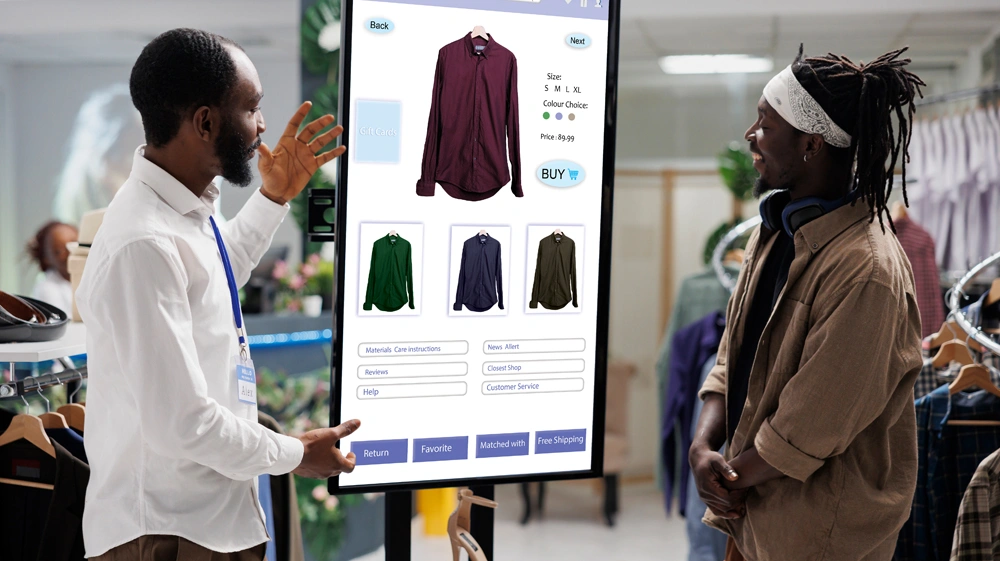
Customers want to be self-reliant. As a trusted signage company in Dubai, we recognise this need. Therefore, with our digital signage, we help you show your customers the digital product catalogues and their prices, availability, membership plans, discounts, offers, and other allied details.
Digital signage makes the displays more interactive, thereby allowing customers to browse through your products and services and make a conscious decision.
Convenient and User-Friendly
The preferences and requirements of customers are complex, nuanced, and multi-dimensional. Therefore, using digital signage for your business is extremely beneficial since it allows the customers to use the displays at their convenience.
This is especially true for a store, hotel, or restaurant where the prices and menu are updated constantly. Digital signage is simple to use and is highly user-friendly, giving customers the convenience to serve themselves independently.
Makes Wait-time Comfortable
Let us be real – no one likes to wait. Often, customers waiting in stores can get unhappy and impatient, leading to frustrations. Digital signage can be a boon in this regard as it can keep the audience engaged and entertained with dynamic content, such as an infotainment video.
This makes the waiting experience more comfortable and enjoyable. As such, you can effectively eliminate the negative effects of waiting in long lines, making it seem that the wait time is shorter than it actually is.
Leaves Long-lasting Impression
The more human senses you will address, the better the odds of the customers retaining your information will be. As digital signage includes vivid imagery along with sounds (if you prefer), it provokes the purchasing intention of the customers.
The human mind tends to retain memories that are dynamic and vivid. When customers view something on a digital screen, chances are high that it will leave a long-lasting impression on them. This is due to the mix of engaging content, dynamic movement, and vibrant graphics.
Major Types of Digital Signage
When it comes to digital signage, the sky is the limit. There are numerous options for you to choose from based on the requirements of your brand and what kind of target audience you are catering to.
Here are some of the most common types of digital signage solutions that you can employ in driving audiences to your brand.
- Large-format Displays (LFDs)
- Interactive Flat Panels (IFLs)
- Kiosk Displays
- Mobile Interaction Displays
- Video Walls
- Outdoor Displays
To Conclude
Digital signage helps in enabling communication with your target audience in a dynamic, interactive, and impactful way. It can be used in retail outlets, transportation hubs, healthcare, education, and restaurants, among others, to display pivotal information to the public. It is highly cost-effective and ensures a positive and long-lasting impression of your brand on the audience.
It is often deemed as the single most effective tool to turn passersby into real customers as it encourages them to enter through the doors of your storefronts. Easy to use and implement, it offers flexible, customized, and heavily contextualised communication, which can be controlled, managed, and operated centrally and automatically.